Mindblown: a blog about philosophy.
-

More US adults taking melatonin to fall asleep
More Americans are using melatonin supplements to get to sleep, according to a team of international researchers. In a study published Tuesday in the Journal of the American Medical Association (JAMA), authors from Beijing’s Dongzhimen Hospital and Xiyuan Hospital and Minnesota’s Mayo Clinic said the reported prevalence of melatonin supplement consumption rose significantly from 1999-2000 to 2017-2018 across all demographic…
-

Yale researcher teams develops wearable clip to detect COVID
Researchers at the Yale School of Public Health have developed a wearable clip that can detect if a person may have been exposed to COVID-19. The device captures virus-laden aerosols that deposit on a polydimethylsiloxane (PDMS) surface, according to a study published earlier this month in the peer-reviewed journal, Environmental Science and Technology Letters. Krystal Godri Pollitt,…
-
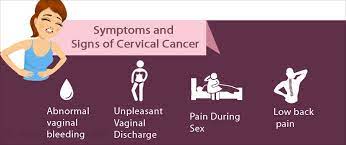
Cervical cancer: What are the signs and symptoms?
January marks Cervical Cancer Awareness Month. Cervical cancer – which develops in a woman’s cervix – is the fourth-most common cancer in women, according to the World Health Organization (WHO). The agency reports that more than 300,000 women die from cervical cancer every year and that an estimated 570 000 women were diagnosed with cervical cancer around the world in…
-

Peanut allergy could be tamed in some kids using oral immunotherapy
If treated early enough, young children may be able to overcome their peanut allergies, according to researchers. In a new study published Thursday in the journal The Lancet, a clinical trial funded by the National Institutes of Health (NIH) found that giving peanut oral immunotherapy to children ages 1 to 3 years old who are highly peanut-allergic induced remission of…
-
Stress may be the culprit behind Crohn’s disease
In a study led by Canada’s McMaster University and the Farncombe Family Digestive Health Research Institute, and published in the journal Nature, the authors said that mouse models found that stress hormones suppressed the innate immune system that normally protects the gut from Enterobacteriaceae. Enterobacteriaceae is a group of bacteria, including E. coli, which has been linked…
-

Man gets genetically altered pig’s heart transplant in first-of-its-kind procedure
Some hearts are made of gold, but one man’s is now made entirely of a pig after he has undergone the world’s first successful heart transplant from a genetically modified pig to save his life, according to a recent New York Times report. “It’s working and it looks normal. We are thrilled, but we don’t know…
-
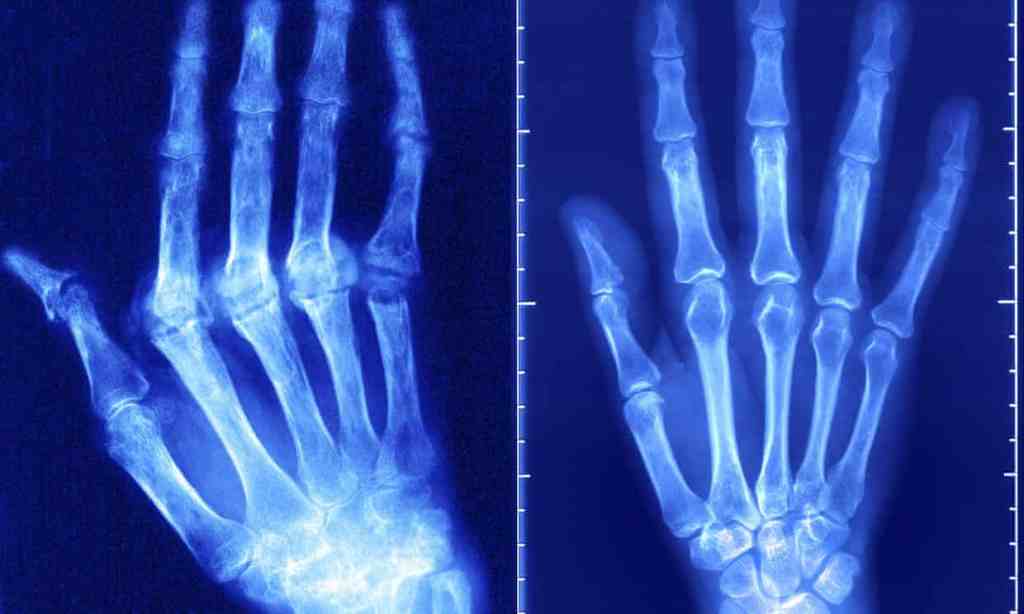
Autoimmune disease spike blamed on Western diet
A rise in the prevalence of autoimmune diseases around the world can be blamed on Western-style diets, scientists say. In a Sunday interview, James Lee and Carola Vinuesa of London’s Francis Crick Institute said they are working to pinpoint the precise causes of autoimmune disease. “Numbers of autoimmune cases began to increase about 40 years ago in the…
-
US advisers endorse Pfizer COVID boosters for younger teens
Influential government advisers are strongly urging that teens as young as 12 get COVID-19 boosters as soon as they’re eligible, a key move as the U.S. battles the omicron surge and schools struggle with how to restart classes amid the spike. All Americans 16 and older are encouraged to get a booster, which health authorities say offer the best chance at…
-
What is ‘flurona?
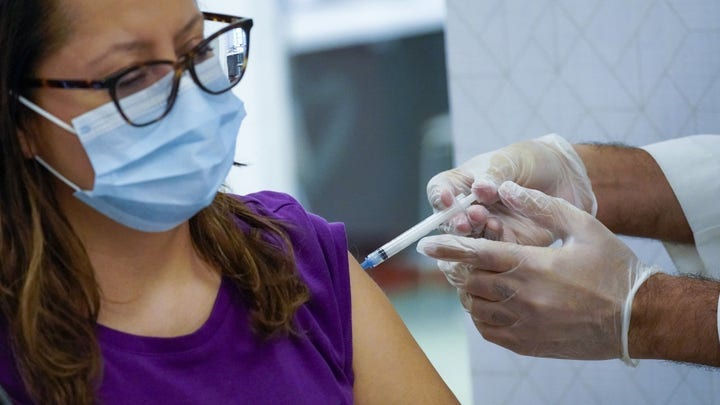
What is “flurona?” Israel recently confirmed what is believed to be one of the first documented cases of an individual infected with both the flu and COVID-19, dubbed “flurona.” An unvaccinated pregnant woman tested positive for both illnesses last week at the Beilinson Hospital in Petah Tikva, according to the Times of Israel. “The disease is the same disease. They’re viral and cause difficulty breathing…
-
Blood test could predict severe pregnancy complication
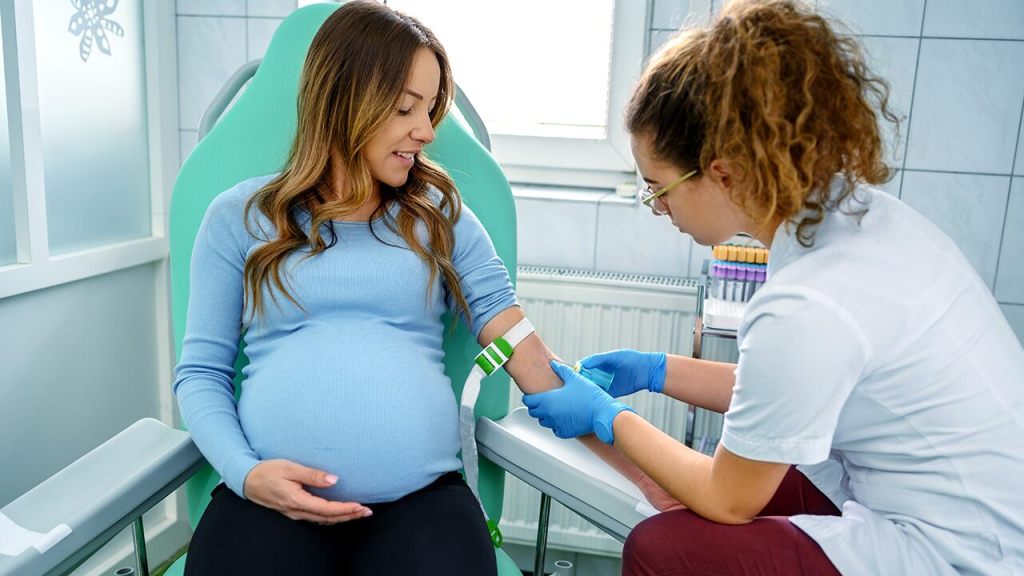
A blood test may one day be able to predict whether someone who is pregnant will develop a serious blood pressure disorder months before symptoms show up. Preeclampsia happens in around 1 of 20 pregnancies, usually in the third trimester, and can cause organ damage, stroke and preterm birth. Pregnancy-related high blood pressure disorders are among the leading causes of maternal…
Got any book recommendations?
 HEALTH STATUS