Category: Health Updates
-

Western diet tied to cognitive decline, neurodegeneration in mouse study
Researchers announced earlier this month that they had found a link between a western diet and cognitive decline and neurodegeneration in a study using mice.null Published in the Cell Press journal iScience, the Marshall University authors said that the diet creates these impacts on the brain through increased Na,K-ATPase signaling in adipocytes. Na,K-ATPase is a cellular sodium-potassium pump and adipocytes are fat cells and are…
-

Leptospirosis cases surge in NYC: What to know about the rat-spread infectious disease
New York City has reported an increase in human cases of leptospirosis, a bacterial disease that the city reports has been spread by rats. In a late September advisory, the city’s Department of Health and Mental Hygiene reported that 14 cases of human leptospirosis had been identified this year, a number it said was more than the total number reported…
-

Pfizer says its COVID-19 vaccine more than 90% effective in kids
Kid-size doses of the Pfizer BioNTech COVID-19 vaccine appear to be safe and nearly 91% effective at preventing symptomatic infections in 5- to 11-year-olds, according to study details released Friday. This news comes as the nation considers opening vaccinations to that age group, with shots beginning in early November if regulators give the green light. The U.S. Food and…
-

‘5 or more’: Higher fruit, vegetable servings linked to kids’ improved mental well-being
Higher fruit and vegetable intake was linked with greater mental well-being scores among secondary schoolchildren, according to a new study based out of the U.K. “The relationship of diet and nutrition with mental health and well-being in either children or adults is not fully understood, although the relevance of diet quality to physical health in relation to non-communicable disease…
-

How to maintain lower sodium intake
The U.S Food and Drug Administration (FDA) last week issued final guidance to the food industry for voluntarily reducing sodium in processed, packaged and prepared foods. null The agency’s aim is to cut the average sodium intake by 12% – from 3,400 to 3,000 milligrams a day – over the next 2 ½ years. Research shows that Americans consume 50% more sodium than recommended. …
-
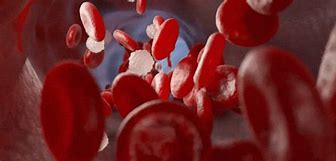
Dementia signs are in the blood
Researchers have reportedly found warning signs that could indicate impending dementia in the bloodnull In a new study published Monday in the scientific journal “EMBO Molecular Medicine,” scientists from the German Center for Neurodegenerative Diseases (DZNE) and the University Medical Center Göttingen said that certain levels of microRNAs could be harbingers of the condition. MicroRNAs are molecules that regulate and influence…
-
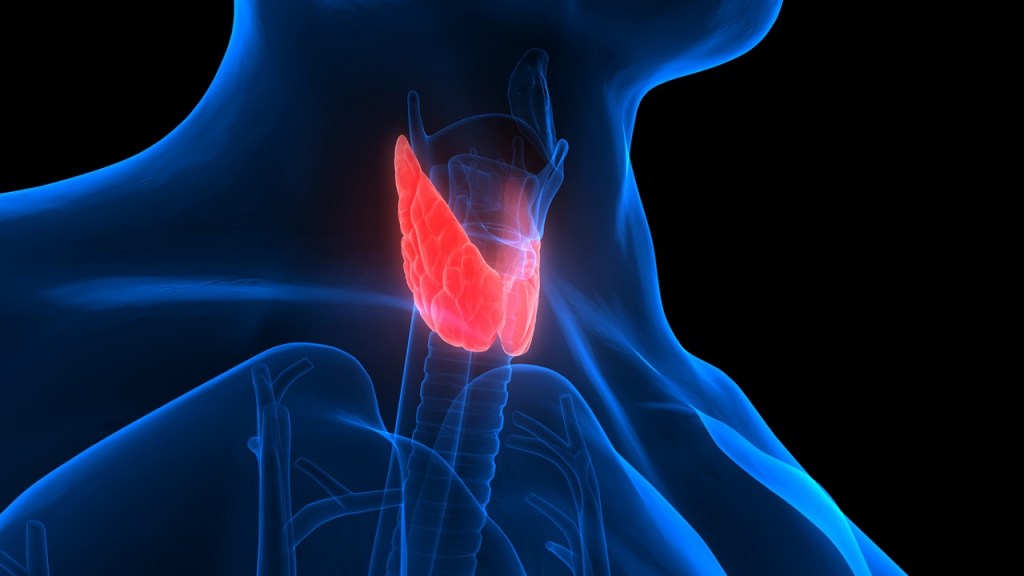
Thyroid cancer: What to know, according to experts
As Thyroid Cancer Awareness Month comes to a close, top medical experts are reminding the public of signs, symptoms and treatment options. So, what is thyroid cancer and who is most at risk? The odds of developing thyroid cancer in the U.S. are about 1.2% across sexes, with a five-year relative survival rate at 98.3%, according to…
-

Low-carb diet benefits heart health for overweight people, researchers say
A low-carb diet that is high in unsaturated fat may be beneficial for the cardiovascular health of those who are overweight, according to researchers. In a Tuesday study published in the American Journal of Clinical Nutrition, Massachusetts-area authors randomly assigned 164 overweight and obese participants – predominantly women, ages 18 to 65 – to three weight-loss maintenance diets. First, the participants were put…
-

Exercise more important than weight loss for a healthy life
A new study indicates that consistent exercise – not weight loss – contributes more towards a healthier and longer life. The study, led by Glenn Gaesser of Arizona State University in Phoenix, analyzed the relationship between fitness, weight, heart health and longevity. Results showed that exercise, even for overweight or obese people, typically lowered the risk of heart disease…
-

Put down the pack and pick up a snack. A new study from the University of Minnesota found that quitting smoking leads to a poor diet, potentially leading to weight gain. The new study found that the opioid system — the brain functions responsible for addiction and appetite regulation — may cause former smokers suffering from…
 HEALTH STATUS