Category: health Conditions
-

Gestational diabetes is on the rise: Here are nutrition tips to prevent and treat it
Gestational diabetes is a type of diabetes that can occur during pregnancy among women who didn’t already have diabetes. It’s on the rise — and experts are worried. Just last week, the Centers for Disease Control and Prevention (CDC) pointed out in a new study that there has been a 30% increase in gestational diabetes mellitus (GDM) — the…
-

What is CTE?
Chronic Traumatic Encephalopathy (CTE) is a brain condition that is caused by repeated blows to the head or receiving many concussions. The Boston University CTE Center has heavily researched this disease and has released a large amount of information about the details of the condition. Due to the nature of how this condition is received,…
-

Diabetes drug lead to significant weight loss in people with obesity: study
A diabetes drug taken once a week lead to dramatic weight loss in people who have obesity, according to a recently published study in The New England Journal of Medicine. The study authors said that participants in the 72-week trial lost up to 20% of their body weight. “The findings indicate tirzepatide may be a potential therapeutic option for individuals living…
-

What is an ectopic pregnancy?
An ectopic pregnancy happens when a fertilised egg implants outside the womb. Fertilisation, when the sperm meets the egg, happens in a fallopian tube, and usually the egg should travel to the womb where it implants. In an ectopic pregnany, the fertilised egg attaches itself somewhere it cannot grow. Most of the time this is…
-

Increased cancer risk associated with artificial sweeteners
Some artificial sweeteners are associated with an increased risk of cancer, according to French researchers. In a study published Thursday in the journal PLOS Medicine, authors from the French National Institute for Health and Medical Research and Sorbonne Paris Nord University analyzed data from 102,865 French adults participating the NutriNet-Santé study. That study is an ongoing web-based cohort that was…
-

World Obesity Day: What to know
Friday marks World Obesity Day. According to the World Health Organization (WHO) more than 1 billion people around the world are obese. The agency said that tally includes, 650 million adults, 340 million adolescents and 39 million children – with the number still increasing. The WHO estimates that approximately 167 million people will become less healthy because they are overweight or obese by…
-
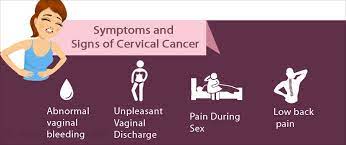
Cervical cancer: What are the signs and symptoms?
January marks Cervical Cancer Awareness Month. Cervical cancer – which develops in a woman’s cervix – is the fourth-most common cancer in women, according to the World Health Organization (WHO). The agency reports that more than 300,000 women die from cervical cancer every year and that an estimated 570 000 women were diagnosed with cervical cancer around the world in…
-

Peanut allergy could be tamed in some kids using oral immunotherapy
If treated early enough, young children may be able to overcome their peanut allergies, according to researchers. In a new study published Thursday in the journal The Lancet, a clinical trial funded by the National Institutes of Health (NIH) found that giving peanut oral immunotherapy to children ages 1 to 3 years old who are highly peanut-allergic induced remission of…
-

Stress may be the culprit behind Crohn’s disease
In a study led by Canada’s McMaster University and the Farncombe Family Digestive Health Research Institute, and published in the journal Nature, the authors said that mouse models found that stress hormones suppressed the innate immune system that normally protects the gut from Enterobacteriaceae. Enterobacteriaceae is a group of bacteria, including E. coli, which has been linked…
-

Dementia signs are in the blood
Researchers have reportedly found warning signs that could indicate impending dementia in the bloodnull In a new study published Monday in the scientific journal “EMBO Molecular Medicine,” scientists from the German Center for Neurodegenerative Diseases (DZNE) and the University Medical Center Göttingen said that certain levels of microRNAs could be harbingers of the condition. MicroRNAs are molecules that regulate and influence…
 HEALTH STATUS