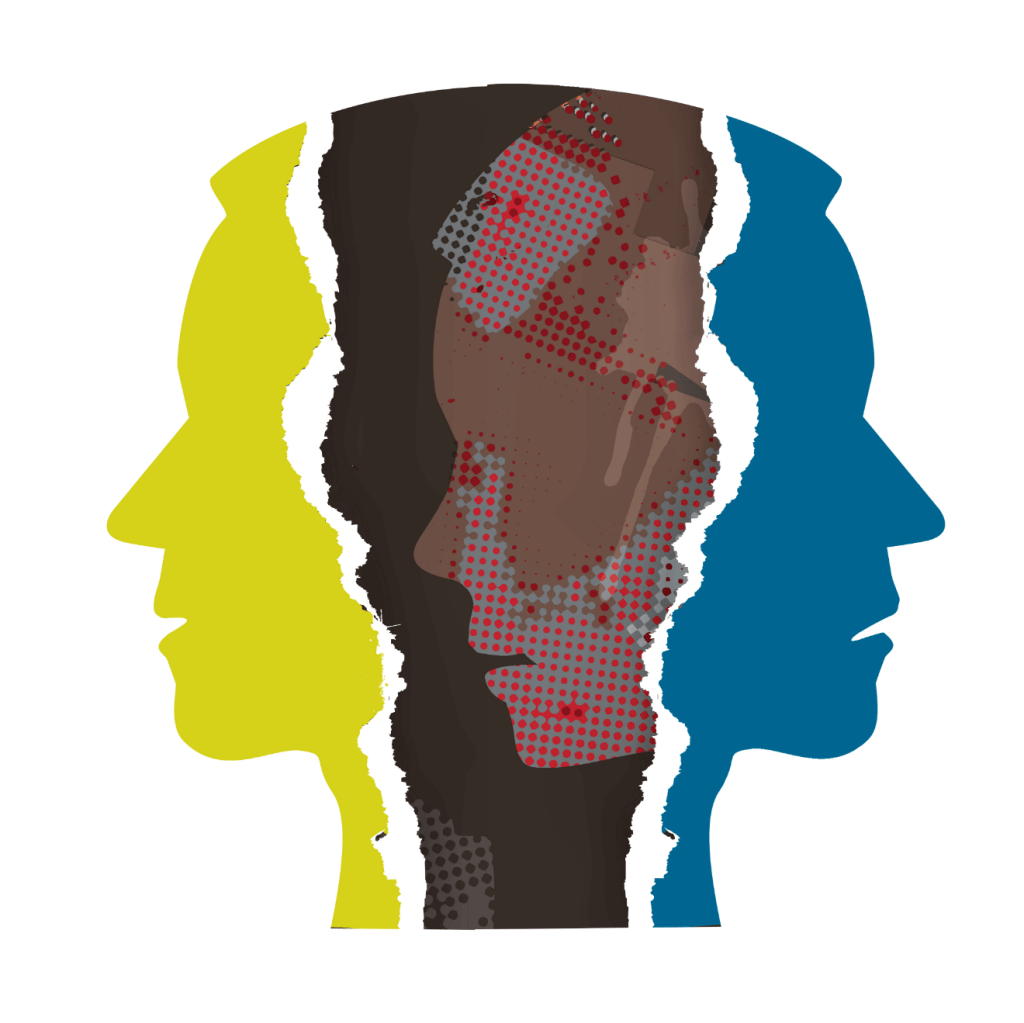
Schizophrenia is a mental health condition that affect how a person thinks,behave and feel.
Schizophrenia is probably the most severe and potentially
disabling form of mental illness in every community worldwide. It may
present as an acute or chronic illness
While there is no cure for schizophrenia, research is leading to innovative and safer treatments. Experts also are unraveling the causes of the disease by studying genetics, conducting behavioral research, and using advanced imaging to look at the brain’s structure and function. These approaches hold the promise of new, and more effective therapies.
The complexity of schizophrenia may help explain why there are misconceptions about the disease. Schizophrenia does not mean split personality or multiple-personality. Most people with schizophrenia are not any more dangerous or violent than people in the general population. While limited mental health resources in the community may lead to homelessness and frequent hospitalizations, it is a misconception that people with schizophrenia end up homeless or living in hospitals. Most people with schizophrenia live with their family, in group homes or on their own.
Causes Of Schizophrenia
There is no known cause of schizophrenia, but researchers believe that a combination of genetics, brain chemistry and environment contributes to development of the disorder.
Positive Symptoms of Schizophrenia
The word positive doesn’t mean good. It refers to added thoughts or actions that aren’t based in reality. They’re sometimes called psychotic symptoms and can include:
- Delusions(state beliefs which cannot be substantiated)
- Hallucinations (hearing voices)
- Incoherent speech or illogicality
- Odd or disorganised behaviour
- Patient believes his or her thoughts are controlled by outside forces
- Catatonia:In this condition, the person may stop speaking, and their body may be fixed in a single position for a very long time
Negative Symptoms of Schizophrenia
The word “negative” here doesn’t mean “bad.” It notes the absence of normal behaviors in people with schizophrenia. Negative symptoms of schizophrenia include:
- Apathy
- Reduced social contact or withdrawal
- Speaking less
- Lack of motivation
- Loss of pleasure or interest in life
- Poor persona hygiene
How Is Schizophrenia Treated?
A person is diagnosed with schizophrenia if they have at least two of these symptoms for at least 6 months:
- Delusions
- Disorganized speech
- Hallucinations
- Disorganized or catatonic behavior
- Negative symptoms
One of the symptoms has to be
- Delusions
- Hallucinations
- Disorganized speech
The causes of schizophrenia are complex and are not fully understood, so current treatments focus on managing symptoms and solving problems related to day to day functioning. Treatments include
- Medications
- Psychosocial therapy
- Coordinated specialty care (CSC)
- Electroconvulsive therapy (ECT)
 HEALTH STATUS