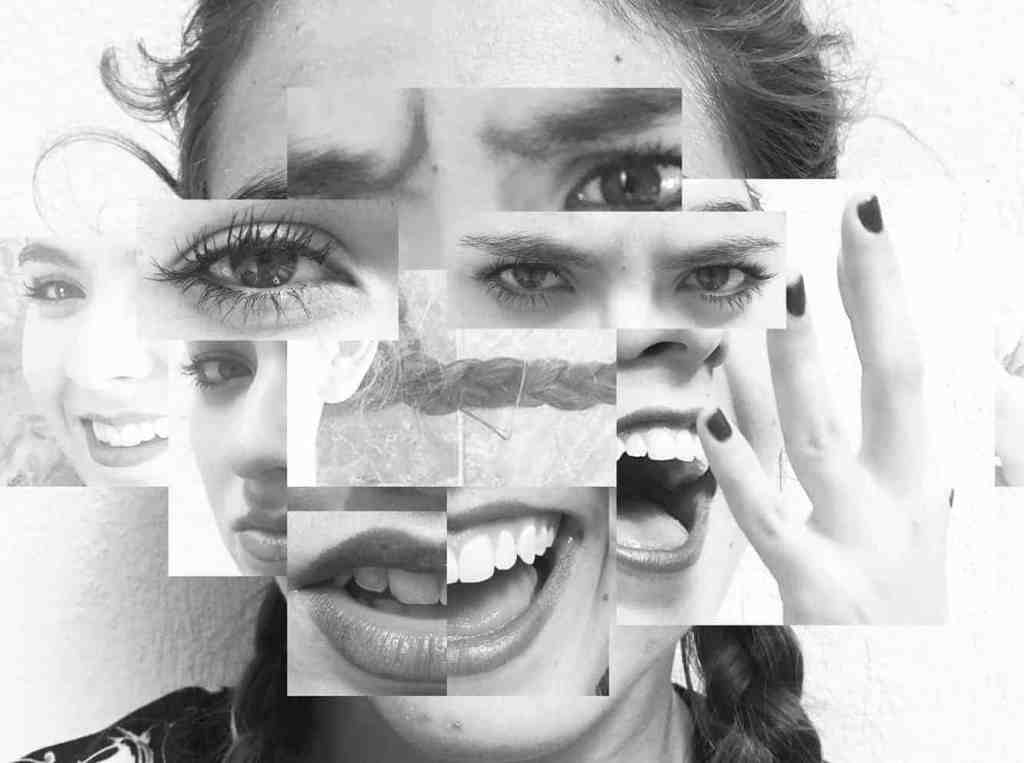
Bipolar Disorder is a mental health condition where a person experience mood swings between two extremes of mood. Depression and Mania.
During mania, an individual behaves or feels abnormally energetic, happy, or irritable. Individuals often make impulsive decisions with little regard for the consequences. There is usually a reduced need for sleep during manic phases. During periods of depression, individuals may experience crying, a negative outlook on life, and poor eye contact with others
Bipolar Disorder is typically diagnosed during late adolescence (teen years) or early adulthood. Occasionally, bipolar symptoms can appear in children. Bipolar disorder can also first appear during a woman’s pregnancy or following childbirth.
bipoar causes
There is no known cause but genetic factors seems to play a role.Bipolar disorder is more common in people who have relatives that has been diagnosed with Bipolar Disorder such as a sibling or parent. Researchers are trying to find genes that may be involved in causing bipolar disorder.
bipolar symptoms
People with bipolar disorder experience what we called “mood episodes.”Mood episodes are very different from the moods and behaviors that are typical for the person. During an episode, the symptoms can last for a day. Episodes may also last for longer periods, such as several days or weeks. These are some of the mood episodes
- Depressed mood, such as feeling sad, empty, hopeless or tearful (in children and teens, depressed mood can appear as irritability)
- Overactivity
- Reduced sleep or sleep more than normal
- Significant weight loss, weight gain, or decrease or increase in appetite (in children, failure to gain weight as expected can be a sign of depression)
- Impaired judgement, Feelings of worthlessness or excessive or inappropriate guilt
- Fatigue or loss of energy
- Reckless spending and being overly generous
- Paranoia
- loss of interest or feeling no pleasure in all — or almost all — activities
bipolar treatment
A person needs first to be diagnosed with Bipolar Disorder by a mental health doctor(psychiatrist) to start a treatment.
The primary treatments for Bipolar Disorder include medications and psychological counseling (psychotherapy) to control symptoms, and also may include education and support groups.
Treatment is directed at the current state of the person whether Depressed or Mania. A number of medications are used to treat bipolar disorder. The types and doses of medications prescribed are based on your particular symptoms.Medications like Mood stabilizers,Anti-anxiety etc.
Bipolar disorder can be difficult to identify in children and teens. It’s often hard to tell whether these are normal ups and downs, the results of stress or trauma, or signs of a mental health problem other than bipolar disorder.The most prominent signs of bipolar disorder in children and teenagers may include severe mood swings that are different from their usual mood swings.
 HEALTH STATUS
Leave a comment